Small Bathroom Ideas: Smart Design Tips
Written by
Ryan
Published on
January 19, 2026
Reading Time
5 min read
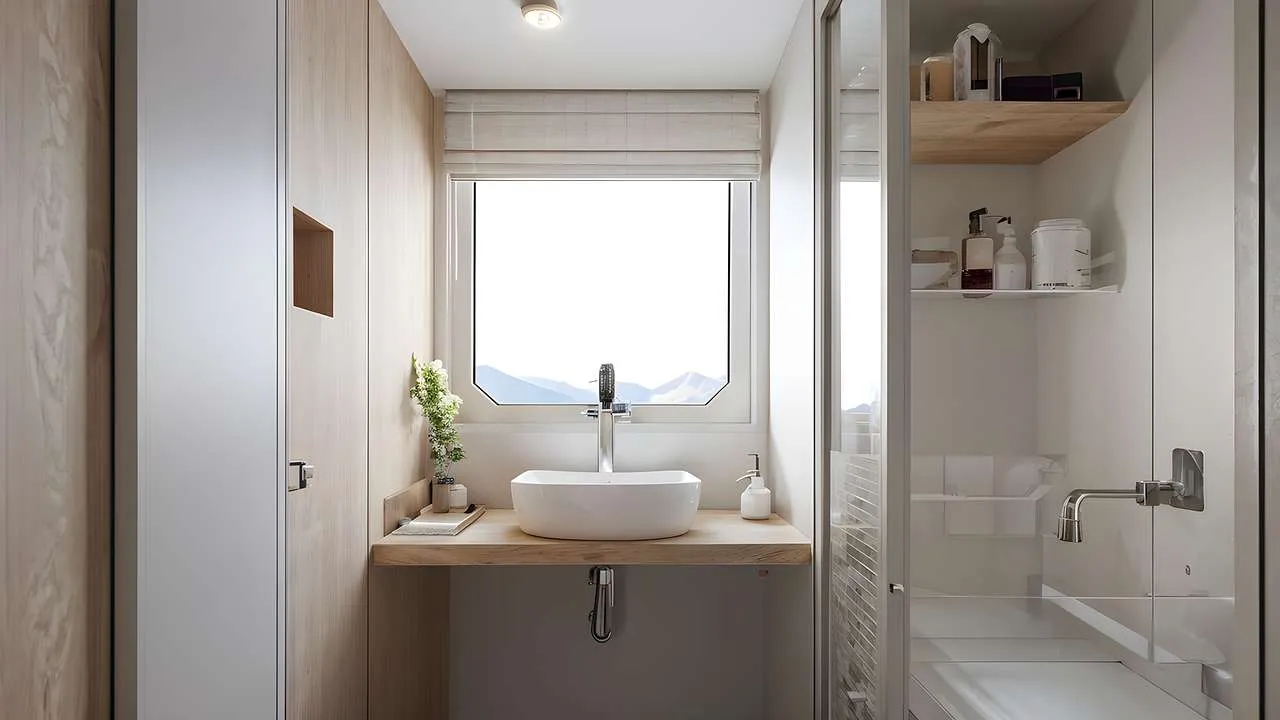
Small bathrooms pose unique design challenges, but with the right small bathroom ideas you can create a space that feels larger, more functional, and easier to maintain. This guide covers layout, storage, materials, lighting, and practical tips designed to deliver EEAT—expertise, authority, and trustworthiness—so you can confidently transform a tight space into a stylish retreat.
Smart layout strategies for small bathrooms
Begin with a layout that minimizes wasted space. Favor wall-hung or recessed fixtures to create open sightlines and easier cleaning. If possible, consider a pocket door or a sliding barn door to free up floor area that a swinging door would occupy. Plan the sink, toilet, and shower in a logical line to reduce plumbing complexity and allow for more usable vanity or storage space.
A well-planned layout also considers traffic flow. Position the mirror opposite or adjacent to the entry to bounce light and give a sense of depth. For very narrow rooms, a corner sink or elongated vanity with a slim profile can dramatically improve perceived space without sacrificing function.
Storage and organization ideas
Storage is the backbone of small bathroom ideas. Use vertical space with recessed shelves, tall slim cabinets, and medicine cabinets that tuck into the wall. A floating vanity creates air beneath it, making the floor feel larger and easier to clean. Add recessed niches in the shower and above the tub to keep toiletries accessible without cluttering the counter.
Incorporate dual-purpose pieces, like a vanity with integrated drawers and a mirror with built-in lighting, to reduce the number of standalone storage units. Use organizers inside drawers and cabinets to maximize every inch, and consider toe-kick drawers or pull-out organizers for tight spaces.
Color, materials, and visual tricks
Light colors and reflective surfaces give the impression of more space. Whites, soft neutrals, and pale pastels are classic choices, but you can keep warmth with wood-toned accents or warm greys. Large-format tiles reduce grout lines and create a seamless look, while a glass shower door or enclosure visually expands the room more than a opaque curtain.
Strategic mirrors amplify light and depth. A wide vanity mirror with minimal framing, or a mirrored medicine cabinet, can brighten the space while providing extra storage. If you want a bold accent, use a single color on one feature wall or within the shower niche to create visual interest without overwhelming the room.
Fixtures and finishes for efficiency
Choose compact, water-efficient fixtures that don’t compromise performance. Wall-hung toilets and dual-flush systems save water and free up floor space. A corner or wall-mounted sink can free more room for movement, especially in ultra-slim layouts. Consider a shower with a frameless glass enclosure to minimize visual barriers and maintain a spacious feel.
Finish choices matter as well. Matte or satin metals resist fingerprints, while non-slip floor finishes improve safety. Non-porous materials like solid-surface countertops, quartz, or acrylic panels are easy to clean and less susceptible to moisture damage over time.
Lighting and ambiance
Layered lighting is essential in a small bathroom. Combine ambient ceiling light with task lighting around the mirror and, if possible, natural light from a window or skylight. LED fixtures offer long life and low heat, and dimmable options let you adjust mood and energy use. A well-lit space instantly feels larger and more welcoming.
Consider light-colored walls and a reflective ceiling finish to bounce light around the room. If privacy is a concern, frosted glass or sheer window coverings can preserve light without sacrificing seclusion.
Budget, timeline, and professional guidance
Small bathroom upgrades can be highly cost-efficient when you prioritize high-impact changes. Start with layout optimization and storage upgrades, then add lighting and fixtures. For plumbing or electrical work, hire licensed professionals to ensure safety and compliance with local codes. With thoughtful planning, you can achieve a polished result without a full remodel.
Plan a phased approach: phase one focuses on layout and storage, phase two on fixtures and finishes, and phase three on lighting and accessories. This approach helps manage cost and minimizes disruption in daily life.
Options at a glance: comparison table
| Option | Best For | Pros | Cons |
|---|---|---|---|
| Floating vanity with wall storage | Most space for small layouts | Lifts visual weight off the floor; provides open under-sink area for cleaning | May have higher installation costs |
| Corner sink with recessed cabinet | Ultra-narrow rooms | Maximizes width; great for tight corners | Limited counter space |
| Walk-in shower with glass enclosure | Open feel; easy maintenance | Feels larger; minimalist maintenance | Avg. cost can be higher |
| Pocket door | Full floor efficiency | No swing space required; seamless entry | Install complexity; possible price premium |
Maintenance and care
Choose durable, moisture-resistant materials and sealants designed for bathrooms. Non-porous countertops, ceramic or porcelain tiles, and tempered glass resist mildew and stains more effectively. Establish a simple cleaning routine with microfiber cloths and non-abrasive cleaners to protect finishes. Regularly inspect seals around showers and vanities to prevent water intrusion, and address any mold growth promptly with a mild cleaner and improved ventilation.
Conclusion, small bathroom ideas should center on maximizing space with smart layout, integrated storage, light colors, and efficient fixtures. By focusing on these elements and prioritizing maintenance-friendly finishes, you can create a compact bathroom that feels bright, organized, and welcoming while still reflecting your personal style.